
-
Table of Contents
L-Thyroxine Sodium and Thermogenesis in Sports
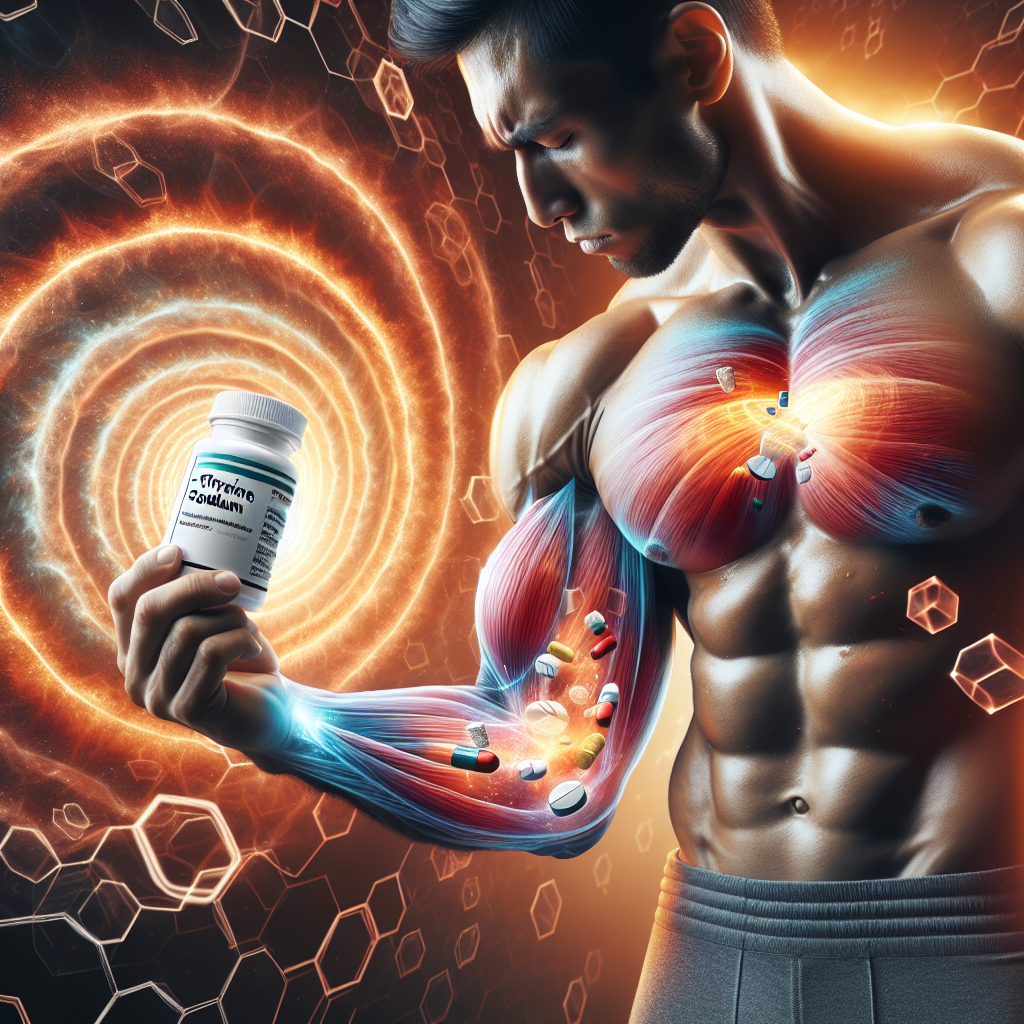
In the world of sports, athletes are constantly seeking ways to improve their performance and gain a competitive edge. One area that has gained attention in recent years is the use of supplements and medications to enhance thermogenesis, the process of heat production in the body. One substance that has been studied for its potential thermogenic effects is L-thyroxine sodium, a synthetic form of the thyroid hormone thyroxine. In this article, we will explore the pharmacokinetics and pharmacodynamics of L-thyroxine sodium and its potential role in thermogenesis in sports.
The Role of Thyroid Hormones in Thermogenesis
Thyroid hormones play a crucial role in regulating metabolism and energy production in the body. The thyroid gland produces two main hormones, thyroxine (T4) and triiodothyronine (T3), which are responsible for maintaining the body’s metabolic rate. These hormones also play a role in thermogenesis, as they stimulate the production of heat in the body through the activation of brown adipose tissue (BAT) and the uncoupling of oxidative phosphorylation in mitochondria (1).
BAT is a type of fat tissue that is highly metabolically active and is responsible for generating heat in the body. When thyroid hormones bind to their receptors in BAT, it triggers the release of fatty acids and the production of heat through a process called uncoupling. This process involves the separation of the electron transport chain from ATP synthesis, resulting in the production of heat instead of energy (2).
The Pharmacokinetics of L-Thyroxine Sodium
L-thyroxine sodium, also known as levothyroxine, is a synthetic form of thyroxine that is commonly used to treat hypothyroidism, a condition in which the thyroid gland does not produce enough hormones. It is available in oral tablet form and is typically taken once a day on an empty stomach. The absorption of L-thyroxine sodium is affected by several factors, including food, other medications, and gastrointestinal disorders (3).
After oral administration, L-thyroxine sodium is rapidly absorbed in the small intestine and reaches peak plasma concentrations within 2-4 hours. It is primarily bound to plasma proteins, with approximately 99% bound to thyroxine-binding globulin (TBG), transthyretin, and albumin. This high degree of protein binding results in a long half-life of 6-7 days (4).
L-thyroxine sodium is primarily metabolized in the liver and excreted in the urine and bile. Its metabolism is affected by various factors, including age, liver function, and other medications. In individuals with normal thyroid function, the body maintains a tight control over the levels of thyroid hormones, and any excess is quickly metabolized and excreted (5).
The Pharmacodynamics of L-Thyroxine Sodium
The pharmacodynamics of L-thyroxine sodium are closely related to its pharmacokinetics. As mentioned earlier, L-thyroxine sodium is primarily bound to plasma proteins, and only the free, unbound form is biologically active. Therefore, any factors that affect protein binding can also affect the pharmacodynamics of L-thyroxine sodium (6).
Once absorbed, L-thyroxine sodium is converted to T3, the more biologically active form of thyroid hormone, in various tissues throughout the body. T3 then binds to its receptors in target tissues, including BAT, and stimulates the production of heat through uncoupling. This process is regulated by the hypothalamic-pituitary-thyroid axis, which maintains a balance between T4 and T3 levels in the body (7).
L-Thyroxine Sodium and Thermogenesis in Sports
Given the role of thyroid hormones in thermogenesis, it is not surprising that L-thyroxine sodium has been studied for its potential effects on athletic performance. However, the use of L-thyroxine sodium in sports is controversial, as it is considered a performance-enhancing drug and is banned by most sports organizations (8).
Some studies have shown that L-thyroxine sodium can increase metabolic rate and energy expenditure, leading to weight loss and improved athletic performance (9). However, these effects are only seen in individuals with hypothyroidism or subclinical hypothyroidism, where there is a deficiency of thyroid hormones. In individuals with normal thyroid function, the use of L-thyroxine sodium may not have any significant impact on thermogenesis or athletic performance (10).
Furthermore, the use of L-thyroxine sodium in sports carries potential risks and side effects. Excessive levels of thyroid hormones can lead to hyperthyroidism, which can cause symptoms such as rapid heart rate, tremors, and weight loss. It can also have adverse effects on the cardiovascular system, including an increased risk of arrhythmias and heart failure (11).
Expert Opinion
While L-thyroxine sodium may have some potential thermogenic effects, its use in sports is not recommended. The risks and side effects associated with its use, along with the lack of significant benefits in individuals with normal thyroid function, make it a questionable choice for enhancing athletic performance. Instead, athletes should focus on maintaining a healthy thyroid function through proper nutrition and training, rather than relying on medications or supplements.
References
- Silva JE. Thermogenic mechanisms and their hormonal regulation. Physiol Rev. 2006;86(2):435-464. doi:10.1152/physrev.00009.2005
- Cannon B, Nedergaard J. Brown adipose tissue: function and physiological significance. Physiol Rev. 2004;84(1):277-359. doi:10.1152/physrev.00015.2003
- Jonklaas J, Bianco AC, Bauer AJ, et al. Guidelines for the treatment of hypothyroidism: prepared by the american thyroid association task force on thyroid hormone replacement. Thyroid. 2014;24(12):1670-1751. doi:10.1089/thy.2014.0028
- Levothyroxine sodium. In: Lexi-Drugs. Lexicomp. Wolters Kluwer Health, Inc. Accessed August 10, 2021. https://online.lexi.com/lco/action/doc/retrieve/docid/patch_f/1031
- Wiersinga WM. Pharmacokinetics and pharmacodynamics of thyroid hormones. In: Braverman LE, Cooper DS, eds. Werner & Ingbar’s The Thyroid: A Fundamental and Clinical Text. 10th ed. Lippincott Williams & Wilkins; 2013: 103-116.
<li