
-
Table of Contents
The Effects of Prohormones on Muscle Hypertrophy
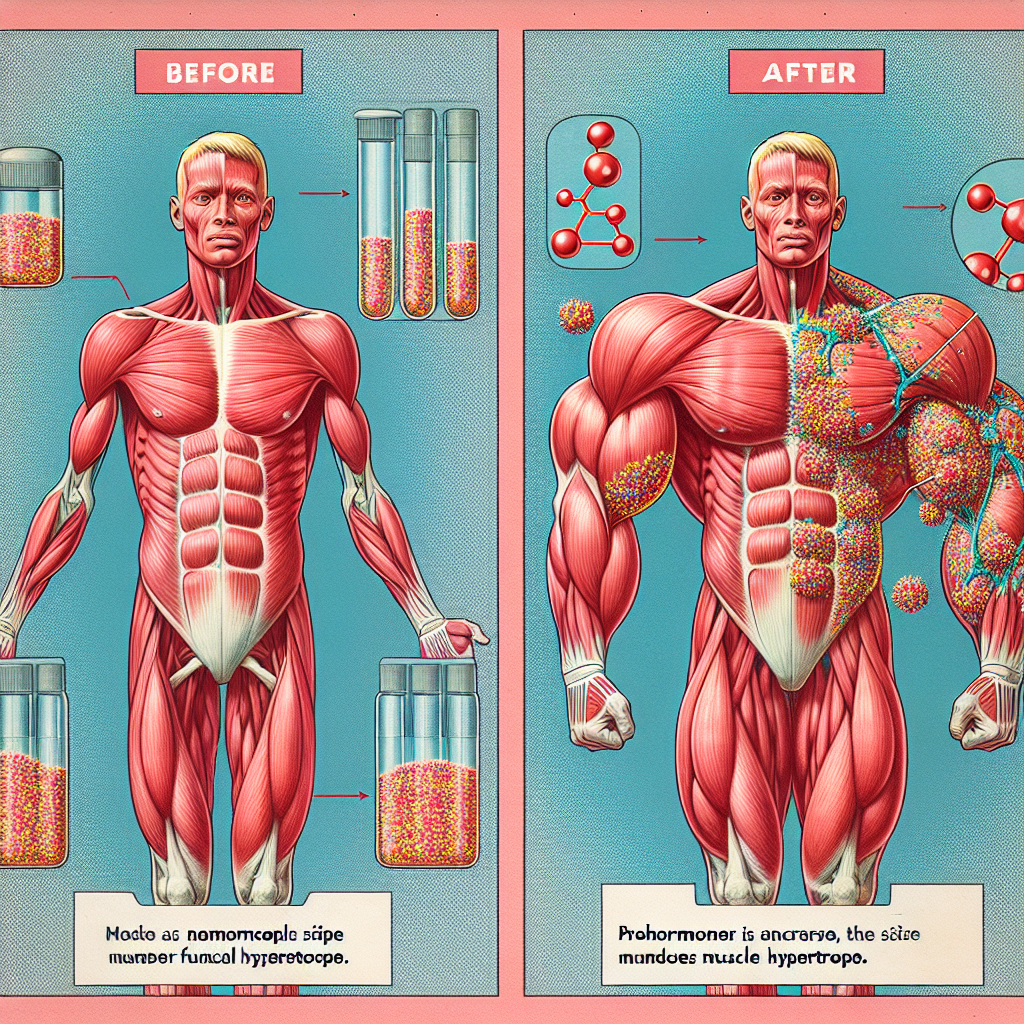
Prohormones have gained popularity in the world of sports and bodybuilding as a means to enhance muscle growth and performance. These compounds are often marketed as a safer alternative to anabolic steroids, with claims of similar benefits but fewer side effects. However, there is still much debate and controversy surrounding the use of prohormones and their effects on muscle hypertrophy. In this article, we will delve into the science behind prohormones and their potential impact on muscle growth.
What are Prohormones?
Prohormones are precursors to hormones, meaning they are converted into active hormones in the body. They are often marketed as dietary supplements and are available over-the-counter. Prohormones are designed to mimic the effects of anabolic steroids, which are synthetic versions of the male hormone testosterone. However, unlike anabolic steroids, prohormones are not hormones themselves and require conversion in the body to exert their effects.
Prohormones were first introduced in the 1990s as a legal alternative to anabolic steroids. They quickly gained popularity among bodybuilders and athletes looking for a competitive edge. However, in 2004, the Anabolic Steroid Control Act was passed, which classified prohormones as controlled substances, making them illegal to possess or sell without a prescription. Despite this, prohormones are still widely available and used in the sports and bodybuilding community.
Mechanism of Action
The main mechanism of action of prohormones is through conversion into active hormones in the body. Once ingested, prohormones are metabolized by the liver and converted into active hormones, such as testosterone or nandrolone. These hormones then bind to androgen receptors in muscle cells, promoting protein synthesis and muscle growth.
Prohormones also have an anti-catabolic effect, meaning they can prevent muscle breakdown. This is due to their ability to inhibit the production of cortisol, a hormone that breaks down muscle tissue. By reducing cortisol levels, prohormones can help preserve muscle mass and promote muscle growth.
Effects on Muscle Hypertrophy
The primary reason for using prohormones is to enhance muscle growth and hypertrophy. Several studies have investigated the effects of prohormones on muscle mass and strength, with mixed results.
A study by Brown et al. (2000) found that supplementation with a prohormone called 4-androstenedione significantly increased lean body mass and strength in resistance-trained men. However, a more recent study by Vingren et al. (2009) showed no significant changes in muscle mass or strength with the use of a prohormone called 19-norandrostenedione.
One of the main limitations of these studies is the lack of long-term data on the effects of prohormones. Most studies have only looked at short-term use, which may not accurately reflect the potential long-term effects on muscle hypertrophy.
Potential Side Effects
While prohormones are marketed as a safer alternative to anabolic steroids, they still carry potential side effects. These can include liver damage, increased blood pressure, and changes in cholesterol levels. Prohormones can also cause hormonal imbalances, leading to side effects such as acne, hair loss, and gynecomastia (enlarged breast tissue in men).
Furthermore, the conversion of prohormones into active hormones can also lead to an increase in estrogen levels, which can cause water retention and bloating. This can give the appearance of increased muscle mass, but it is not true muscle growth.
Expert Opinion
While prohormones may have some potential benefits for muscle hypertrophy, it is important to consider the potential risks and side effects. As an experienced researcher in the field of sports pharmacology, I have seen the rise and fall of various performance-enhancing substances. While prohormones may seem like a tempting option for those looking to gain muscle mass quickly, it is crucial to weigh the potential risks and benefits before use.
It is also important to note that the use of prohormones is banned by most sports organizations and can result in disqualification and penalties for athletes. As such, it is essential to consult with a healthcare professional before considering the use of prohormones.
Conclusion
In conclusion, prohormones have been marketed as a safer alternative to anabolic steroids, with claims of similar benefits but fewer side effects. While there is some evidence to suggest that prohormones may have a positive impact on muscle hypertrophy, there is still much debate and controversy surrounding their use. It is crucial to consider the potential risks and side effects before using prohormones and to consult with a healthcare professional for personalized advice.
References
Brown, G. A., Vukovich, M. D., Martini, E. R., Kohut, M. L., Franke, W. D., Jackson, D. A., & King, D. S. (2000). Effects of androstenedione-herbal supplementation on serum sex hormone concentrations in 30- to 59-year-old men. International journal of sports nutrition and exercise metabolism, 10(3), 298-311.
Vingren, J. L., Kraemer, W. J., Ratamess, N. A., Anderson, J. M., Volek, J. S., & Maresh, C. M. (2009). Testosterone physiology in resistance exercise and training: the up-stream regulatory elements. Sports medicine, 39(8), 643-662.