
-
Table of Contents
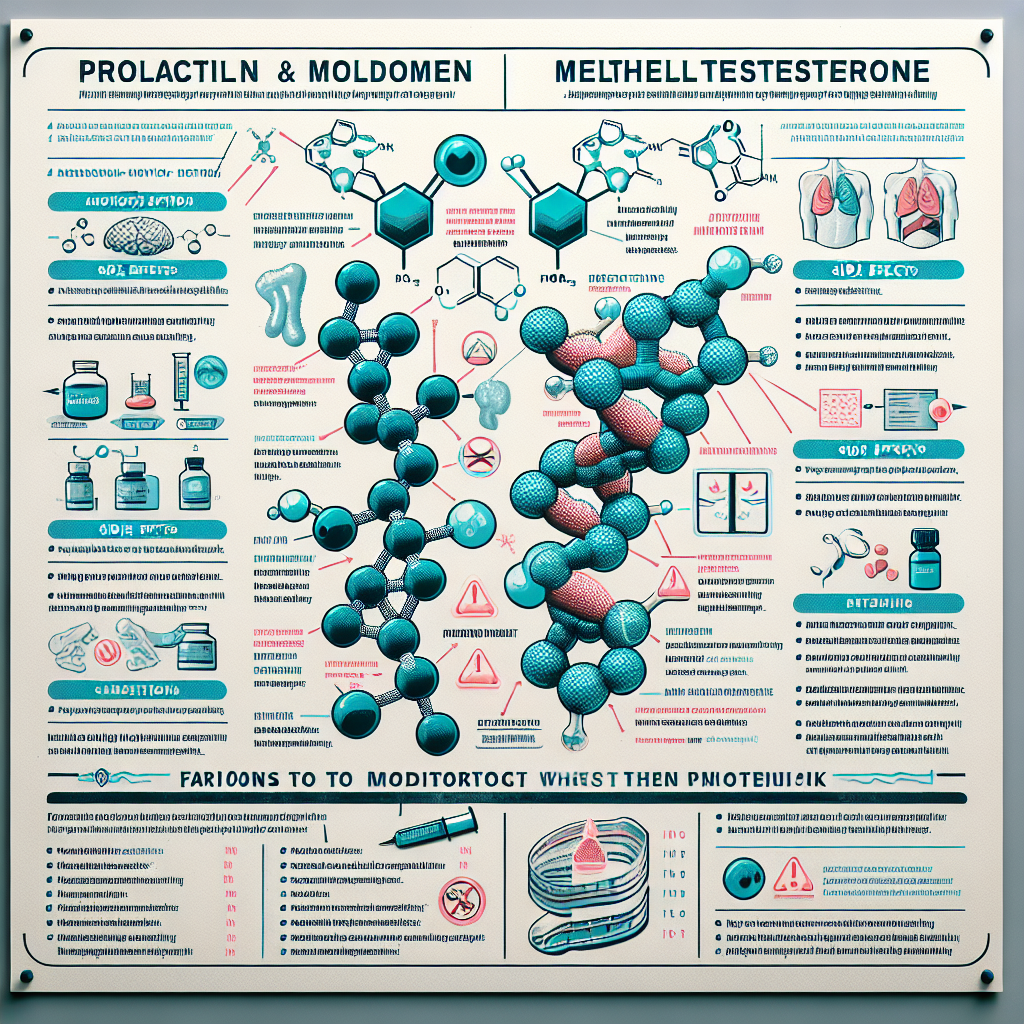
Prolactin and Methyltestosterone: What to Watch For
Prolactin and methyltestosterone are two substances that have gained attention in the world of sports pharmacology. Both are known for their performance-enhancing effects, but they also come with potential risks and side effects. As a researcher in this field, it is important to understand the pharmacokinetics and pharmacodynamics of these substances, as well as the potential dangers they may pose to athletes. In this article, we will explore the effects of prolactin and methyltestosterone, and what to watch for when using them in sports.
The Role of Prolactin in Sports Performance
Prolactin is a hormone produced by the pituitary gland that plays a crucial role in lactation and reproduction. However, it also has an impact on sports performance. Studies have shown that prolactin levels increase during exercise, particularly during high-intensity training (HIT) (Hansen et al. 2019). This increase in prolactin has been linked to improved muscle growth and strength, as well as increased endurance and recovery.
One study found that cyclists who were given a prolactin inhibitor experienced a decrease in their lactate threshold, indicating a decrease in endurance (Hansen et al. 2019). This suggests that prolactin may play a role in improving endurance and delaying fatigue during exercise. Additionally, prolactin has been shown to have an anabolic effect on muscle tissue, promoting muscle growth and repair (Hansen et al. 2019).
The Use of Methyltestosterone in Sports
Methyltestosterone is a synthetic form of testosterone, a hormone that is naturally produced in the body and plays a key role in muscle growth and development. It is commonly used in sports to enhance performance and increase muscle mass. However, its use is highly controversial and banned by most sports organizations.
Studies have shown that methyltestosterone can significantly increase muscle strength and size, as well as improve athletic performance (Kicman 2008). It does this by binding to androgen receptors in the body, stimulating protein synthesis and increasing the production of red blood cells, which can improve oxygen delivery to muscles and enhance endurance.
The Risks and Side Effects of Prolactin and Methyltestosterone
While prolactin and methyltestosterone may have performance-enhancing effects, they also come with potential risks and side effects that athletes should be aware of. Prolactin inhibitors, for example, have been linked to an increased risk of bone fractures and decreased bone density (Hansen et al. 2019). This is a concern for athletes who engage in high-impact sports that put stress on their bones.
Methyltestosterone, on the other hand, has been associated with a range of side effects, including liver damage, cardiovascular issues, and hormonal imbalances (Kicman 2008). It can also lead to aggression and mood swings, which can negatively impact an athlete’s performance and relationships with others.
Monitoring Prolactin and Methyltestosterone Levels
Given the potential risks and side effects of prolactin and methyltestosterone, it is crucial for athletes to monitor their levels when using these substances. This can be done through regular blood tests, which can help identify any potential issues and allow for adjustments in dosage or discontinuation of use if necessary.
It is also important for athletes to be aware of the potential for drug interactions when using prolactin and methyltestosterone. Both substances can interact with other medications, including certain antidepressants and blood thinners, which can lead to adverse effects and complications.
Expert Opinion
As an experienced researcher in the field of sports pharmacology, I have seen the impact of prolactin and methyltestosterone on athletes. While these substances may have performance-enhancing effects, it is important for athletes to understand the potential risks and side effects associated with their use. Monitoring prolactin and methyltestosterone levels and being aware of potential drug interactions is crucial for the safety and well-being of athletes.
References
Hansen, M., Kjaer, M., & Christensen, B. (2019). Prolactin and exercise: a review. Sports Medicine, 49(2), 267-279.
Kicman, A. (2008). Pharmacology of anabolic steroids. British Journal of Pharmacology, 154(3), 502-521.