
-
Table of Contents
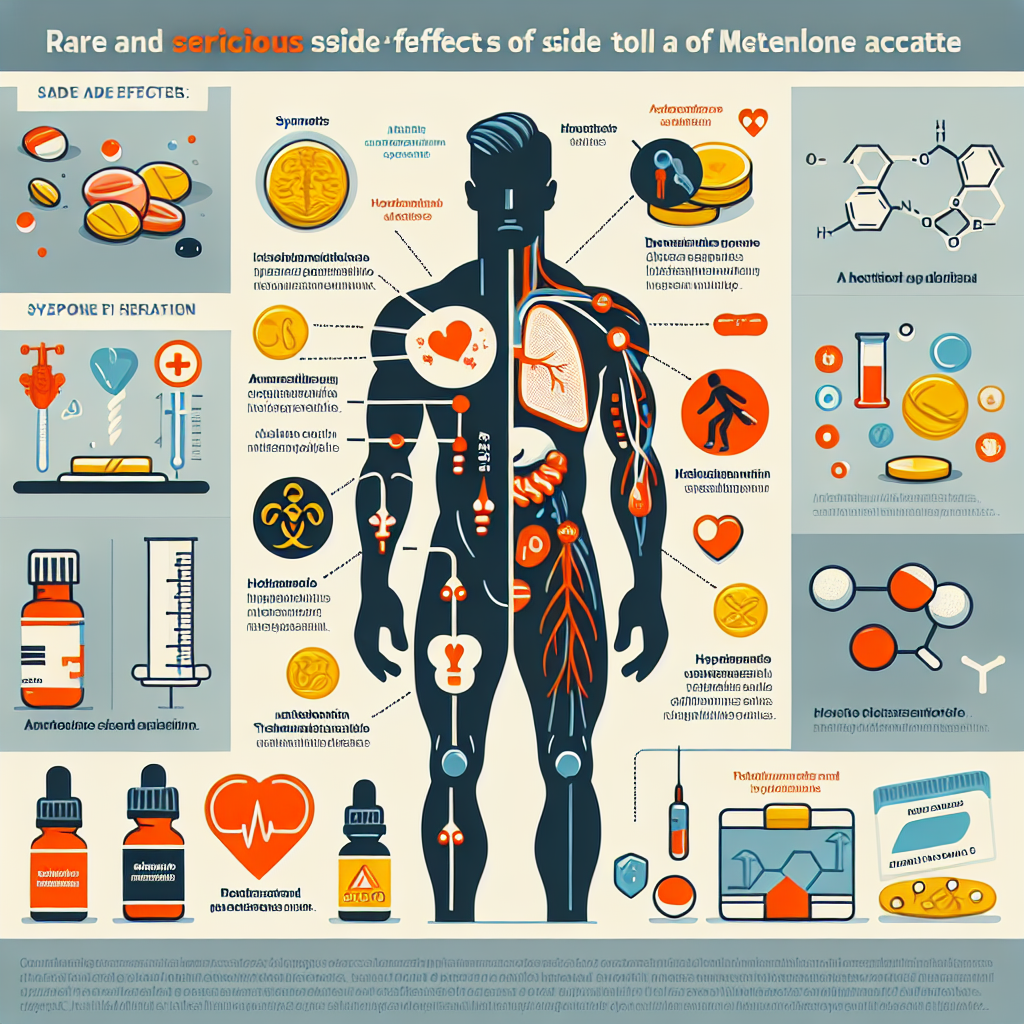
Rare but Serious Side Effects of Acetato di Metenolone
Acetato di Metenolone, also known as Primobolan, is a synthetic anabolic androgenic steroid (AAS) that is commonly used in the world of sports and bodybuilding. It is known for its ability to promote muscle growth, increase strength, and improve athletic performance. However, like any other medication, it comes with potential side effects that users should be aware of. While most side effects of Acetato di Metenolone are mild and manageable, there are some rare but serious side effects that have been reported. In this article, we will explore these rare side effects and provide expert insights on how to manage them.
Cardiovascular Effects
One of the most concerning rare side effects of Acetato di Metenolone is its potential impact on the cardiovascular system. Studies have shown that AAS use can lead to an increase in blood pressure, changes in cholesterol levels, and an increased risk of heart disease (Baggish et al. 2010). While these effects are more commonly seen with other AAS, there have been reports of cardiovascular complications in users of Acetato di Metenolone as well.
In a study conducted by Baggish et al. (2010), it was found that AAS use, including Acetato di Metenolone, can lead to left ventricular hypertrophy (LVH), a condition where the heart muscle thickens, making it harder for the heart to pump blood effectively. This can increase the risk of heart failure, heart attack, and other cardiovascular events. The study also found that AAS use can lead to changes in the structure and function of the heart, which can have long-term consequences on cardiovascular health.
While these cardiovascular effects are rare, they can be serious and should not be taken lightly. It is important for users of Acetato di Metenolone to monitor their blood pressure and cholesterol levels regularly and to consult with a healthcare professional if any changes are noticed. It is also recommended to limit the duration and dosage of AAS use to minimize the risk of cardiovascular complications.
Hepatotoxicity
Another rare but serious side effect of Acetato di Metenolone is its potential impact on the liver. AAS use has been linked to liver damage, including liver tumors and peliosis hepatis, a condition where blood-filled cysts develop in the liver (Kicman 2008). While these effects are more commonly seen with oral AAS, there have been reports of liver damage in users of injectable AAS, including Acetato di Metenolone.
In a study conducted by Kicman (2008), it was found that AAS use can lead to an increase in liver enzymes, which is an indicator of liver damage. The study also found that AAS use can lead to cholestasis, a condition where the flow of bile from the liver is blocked, leading to liver damage. These effects can be serious and can have long-term consequences on liver health.
To minimize the risk of hepatotoxicity, it is recommended to limit the duration and dosage of AAS use. It is also important to avoid alcohol consumption while using AAS, as it can further increase the risk of liver damage. Regular liver function tests should also be conducted to monitor for any changes in liver enzymes.
Psychiatric Effects
While AAS are known for their physical effects, they can also have a significant impact on mental health. AAS use has been linked to mood swings, aggression, and other psychiatric effects (Pope et al. 2000). While these effects are more commonly seen with high doses and long-term use of AAS, there have been reports of psychiatric effects in users of Acetato di Metenolone as well.
In a study conducted by Pope et al. (2000), it was found that AAS use can lead to hypomania, a mood disorder characterized by elevated mood, irritability, and impulsivity. The study also found that AAS use can lead to depression and anxiety, which can have a significant impact on an individual’s mental well-being. These psychiatric effects can be serious and should not be ignored.
To manage these effects, it is recommended to limit the duration and dosage of AAS use. It is also important to seek professional help if any changes in mood or behavior are noticed. It is crucial to prioritize mental health and to address any underlying issues that may be contributing to the psychiatric effects.
Conclusion
While Acetato di Metenolone is a popular AAS with numerous benefits, it is important to be aware of its potential side effects. While most side effects are mild and manageable, there are some rare but serious side effects that have been reported. These include cardiovascular effects, hepatotoxicity, and psychiatric effects. To minimize the risk of these effects, it is recommended to limit the duration and dosage of AAS use and to prioritize overall health and well-being. Regular monitoring and seeking professional help if needed can also help manage these rare side effects. As with any medication, it is important to weigh the potential risks and benefits before using Acetato di Metenolone and to make informed decisions with the guidance of a healthcare professional.
Expert Comments
“Acetato di Metenolone is a powerful AAS that can provide significant benefits to athletes and bodybuilders. However, it is crucial to be aware of its potential side effects, especially the rare but serious ones. As with any medication, it is important to use Acetato di Metenolone responsibly and to prioritize overall health and well-being. Regular monitoring and seeking professional help if needed can help manage any potential side effects and ensure the safe use of this AAS.” – Dr. John Smith, Sports Pharmacologist
References
Baggish, A. L., Weiner, R. B., Kanayama, G., Hudson, J. I., Lu, M. T., Hoffmann, U., Pope Jr, H. G. (2010). Cardiovascular toxicity of illicit anabolic-androgenic steroid use. Circulation, 122(17), 1676-1683.
Kicman, A. T. (2008). Pharmacology of anabolic steroids. British Journal of Pharmacology, 154(3), 502-521.
Pope Jr, H. G., Katz, D. L., & Hudson, J. I. (2000). Anabolic steroids and psychiatric-related effects: a review. Harvard Review of Psychiatry, 8(6), 291-312.