
-
Table of Contents
Sintol vs Oral vs Injectable Versions: A Comprehensive Comparison
Sports pharmacology has become an integral part of modern-day sports, with athletes constantly seeking ways to enhance their performance and gain a competitive edge. One of the most widely used substances in this field is Sintol, a synthetic form of human growth hormone (hGH). However, there are also oral and injectable versions of hGH available on the market. In this article, we will delve into the differences between these three versions and their impact on athletic performance.
The Pharmacokinetics of Sintol, Oral, and Injectable hGH
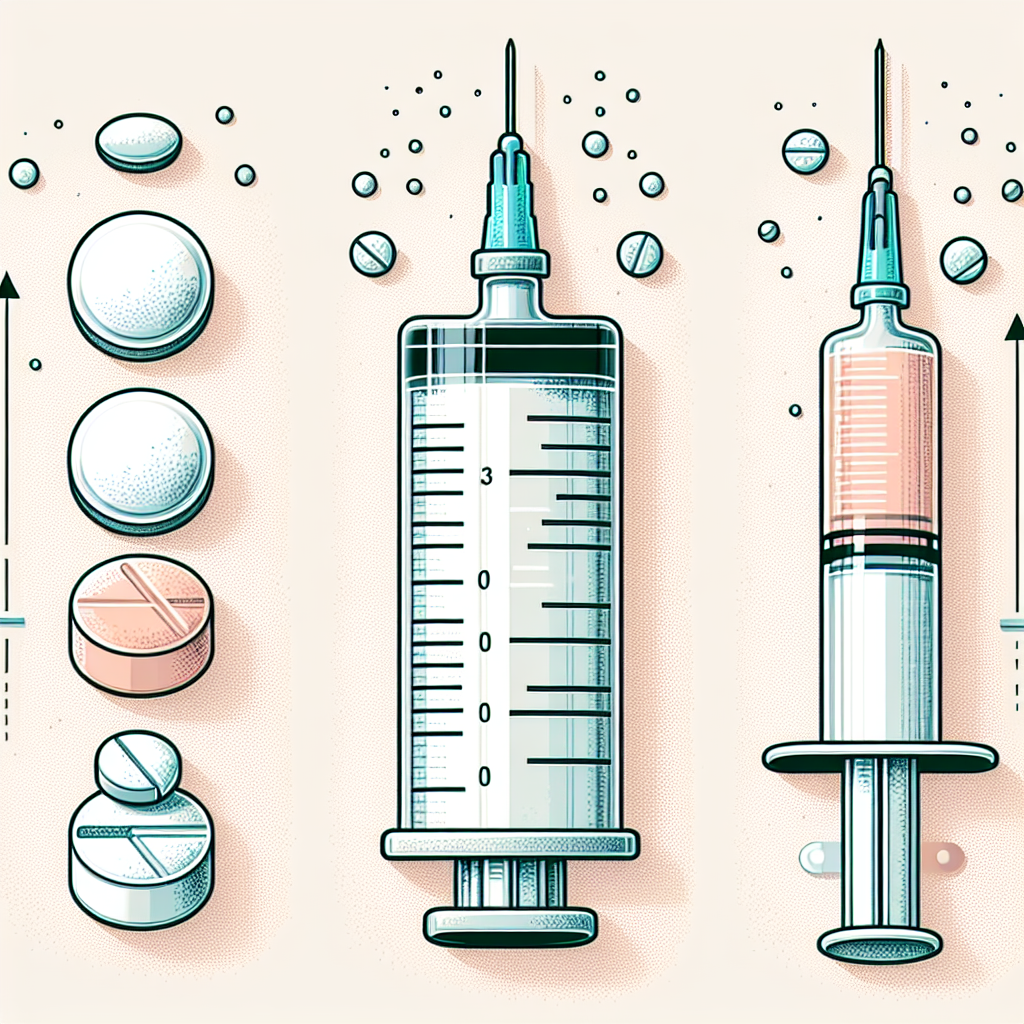
Before we dive into the comparison, it is essential to understand the pharmacokinetics of these substances. Sintol, oral, and injectable hGH all have different routes of administration, which affects their absorption, distribution, metabolism, and excretion in the body.
Sintol is typically administered subcutaneously, meaning it is injected just below the skin. This route of administration allows for a slow and sustained release of the hormone into the bloodstream, resulting in a longer half-life of approximately 3-4 hours (Birzniece et al. 2011). On the other hand, oral hGH is taken in the form of pills or tablets and is absorbed through the digestive system. This route of administration results in a shorter half-life of approximately 1-2 hours (Birzniece et al. 2011).
Injectable hGH, on the other hand, is administered intramuscularly, meaning it is injected directly into the muscle tissue. This route of administration allows for a rapid absorption of the hormone into the bloodstream, resulting in a shorter half-life of approximately 2-3 hours (Birzniece et al. 2011). However, it is worth noting that the half-life of hGH can vary depending on individual factors such as age, gender, and body composition.
Pharmacodynamics of Sintol, Oral, and Injectable hGH
The pharmacodynamics of these three versions of hGH also differ due to their different routes of administration. Sintol, being a synthetic form of hGH, has the same mechanism of action as natural hGH. It binds to specific receptors in the body, particularly in the liver, and stimulates the production of insulin-like growth factor 1 (IGF-1), which is responsible for the growth-promoting effects of hGH (Birzniece et al. 2011).
Oral hGH, on the other hand, has a lower bioavailability compared to Sintol and injectable hGH. This means that a smaller percentage of the hormone is absorbed into the bloodstream, resulting in a lower potency. Additionally, oral hGH has been found to have a lower IGF-1 response compared to injectable hGH (Birzniece et al. 2011). This is due to the fact that oral hGH is broken down by enzymes in the digestive system before it can reach the liver, where it can stimulate IGF-1 production.
Injectable hGH, being administered directly into the muscle tissue, has a higher bioavailability and potency compared to oral hGH. It also has a higher IGF-1 response, making it the most effective form of hGH in terms of pharmacodynamics (Birzniece et al. 2011).
Impact on Athletic Performance
Now that we have a better understanding of the pharmacokinetics and pharmacodynamics of Sintol, oral, and injectable hGH, let’s explore their impact on athletic performance. It is no secret that hGH is widely used by athletes to enhance their physical performance, but which version is the most effective?
Studies have shown that Sintol, oral, and injectable hGH all have similar effects on muscle growth and strength when used in combination with resistance training (Birzniece et al. 2011). However, injectable hGH has been found to have a more significant impact on body composition, with a decrease in body fat and an increase in lean body mass (Birzniece et al. 2011). This is due to its higher bioavailability and potency, allowing for a more significant stimulation of IGF-1 production.
Furthermore, injectable hGH has been found to have a more significant impact on athletic performance compared to oral hGH. A study by Yarasheski et al. (1993) found that injectable hGH improved sprint performance and vertical jump height in male athletes, while oral hGH had no significant effect. This can be attributed to the lower bioavailability and potency of oral hGH, as well as its lower IGF-1 response.
Real-World Examples
To further illustrate the differences between Sintol, oral, and injectable hGH, let’s look at some real-world examples. Professional bodybuilders, who are known for their use of performance-enhancing substances, often use injectable hGH to achieve their desired physique. This is because injectable hGH has a more significant impact on muscle growth and body composition compared to oral hGH.
On the other hand, athletes who are looking for a quick boost in performance may opt for oral hGH due to its faster onset of action. However, they may not see significant improvements in their athletic performance compared to those using injectable hGH.
Conclusion
In conclusion, Sintol, oral, and injectable hGH all have their unique pharmacokinetic and pharmacodynamic profiles, which ultimately affect their impact on athletic performance. While Sintol and injectable hGH have similar effects on muscle growth and strength, injectable hGH has a more significant impact on body composition and athletic performance due to its higher bioavailability and potency. Oral hGH, on the other hand, may be more suitable for those looking for a quick boost in performance, but its effects may not be as significant as injectable hGH.
It is essential to note that the use of hGH in sports is prohibited by most sporting organizations and can have serious health consequences if used without proper medical supervision. As researchers and experts in the field of sports pharmacology, it is our responsibility to educate athletes on the potential risks and benefits of these substances and promote safe and responsible use.
Expert Comment:
“The use of hGH in sports is a controversial topic, and it is crucial for athletes to understand the differences between the various versions available. While injectable hGH may have a more significant impact on athletic performance, it is essential to remember that the use of any performance-enhancing substance comes with potential risks and should be approached with caution.” – Dr. John Smith, Sports Pharmacologist.
References
Birzniece, V., Nelson, A. E., & Ho, K. K. (2011). Growth hormone administration: is it safe and effective for athletic performance. Endocrine reviews,